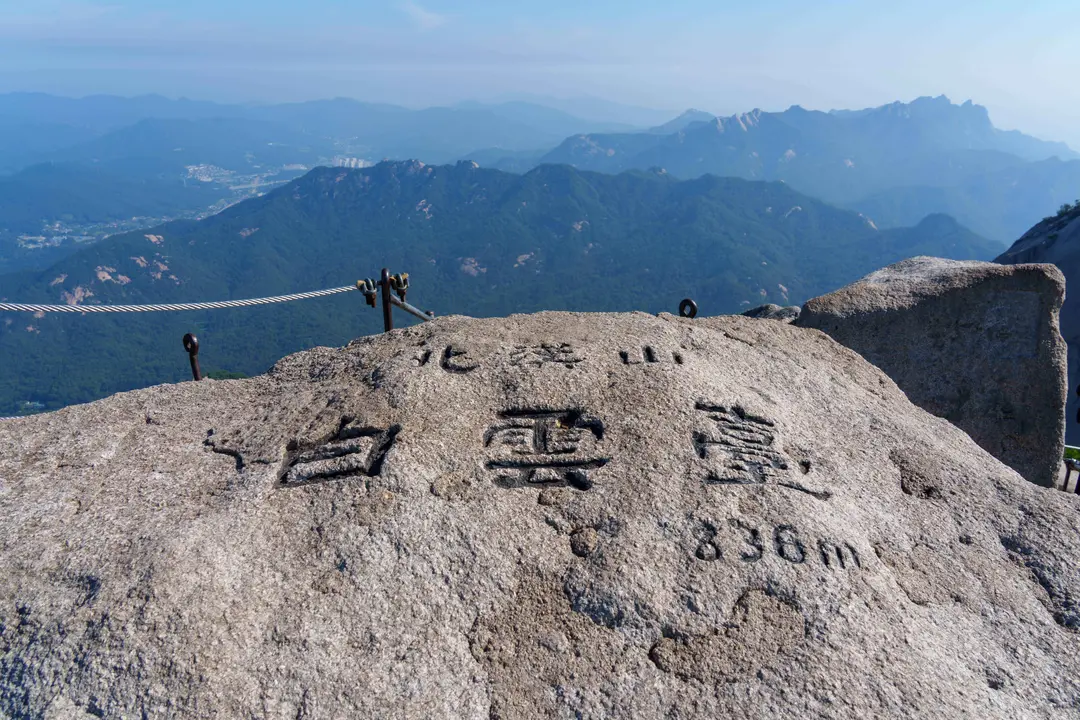
Baegundae (백운대), the 836.5 m summit of Bukhansan, is one of the few “Difficult”-rated peaks in the KNPS system that you can reach without a car. The route is short — Line 3 to Gupabal, Bus 704 to the Bukhansanseong Information Center, then 3.4 km up. Below are the timings, what to pack, and the seasonal rules (fire-prevention closures don’t block this trail) you need to plan around.
Contents
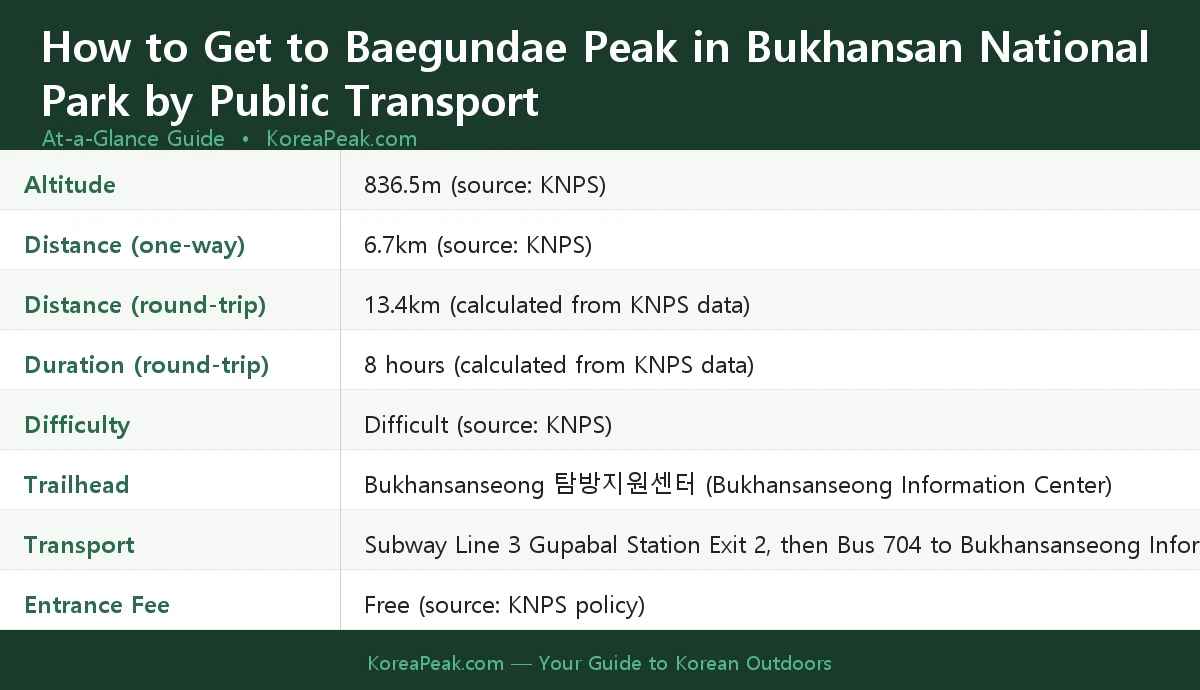
Getting to the Trailhead by Public Transport
The most straightforward public transport route to Baegundae Peak starts at Gupabal Station (구파발역) on Seoul Subway Line 3. From there, it’s a short bus ride to the trailhead — no taxi required, no rental car needed.
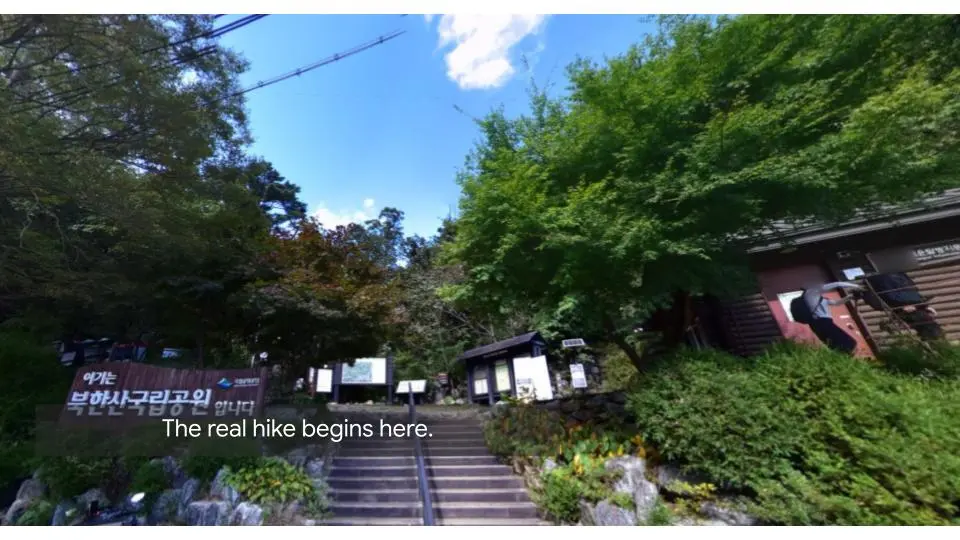
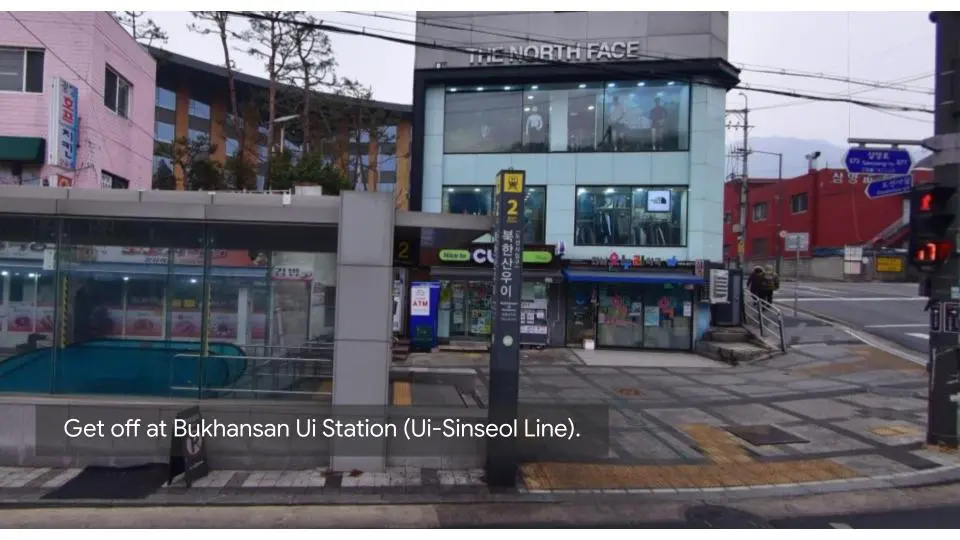
Here’s the step-by-step breakdown:
- Take Seoul Subway Line 3 to Gupabal Station (구파발역).
- Exit through Exit 2.
- Board Bus 704 and ride it to the Bukhansanseong Information Center (북한산성 탐방지원센터) stop — this is your trailhead.
One important heads-up for international visitors: Google Maps doesn’t work reliably in South Korea. I recommend using Naver Map or KakaoMap instead — both are free and give accurate real-time transit directions. To search for your destination, copy and paste this Korean text directly into the app: 북한산성 탐방지원센터. Bus routes and schedules can occasionally change, so always double-check on Naver Map or KakaoMap before your trip.
Entry to Bukhansan National Park is free of charge — national park entrance fees in Korea were abolished in 2007. (Note: The cultural heritage admission fees for temples within national parks were abolished in May 2023.)
The Bukhansanseong Course to Baegundae Peak
From the Bukhansanseong Information Center, you’ll be following the Bukhansanseong Course (북한산성 코스) — the most popular route to Baegundae Peak and the one officially recommended by the Korea National Park Service (KNPS).
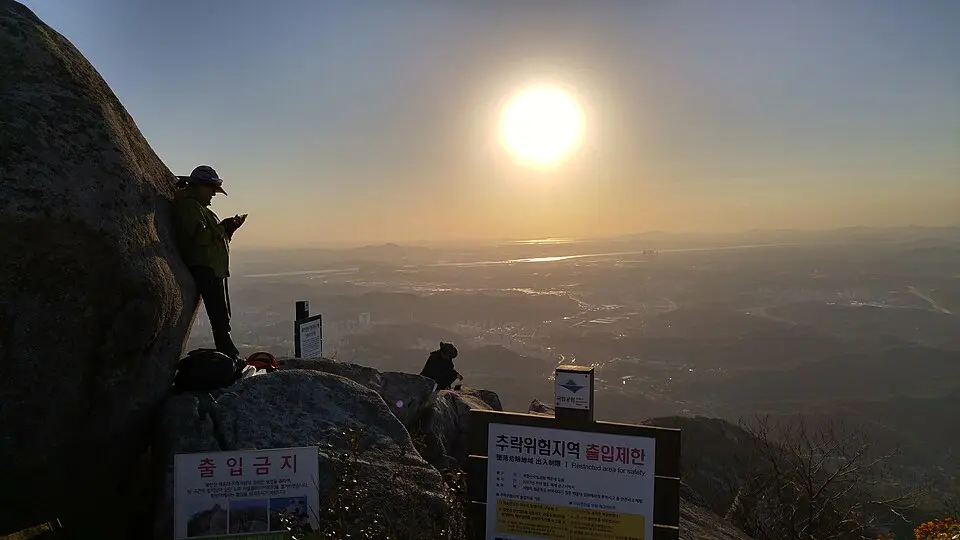
Here are the key stats for this route, as listed on the official KNPS Bukhansan Baegundae Course page:
- One-way distance: 3.4km
- Round-trip distance: 6.8km
- Estimated round-trip time: 5 hours
- Difficulty: Difficult
- Summit altitude: 836.5m
The KNPS officially rates this course as Difficult — so don’t underestimate it. Eight hours is a solid full-day commitment, and you’ll want to start early to make the most of daylight. Hiking in Bukhansan National Park is permitted starting from 04:00 AM year-round, allowing for sunrise hikes. Night hiking after sunset isn’t allowed.
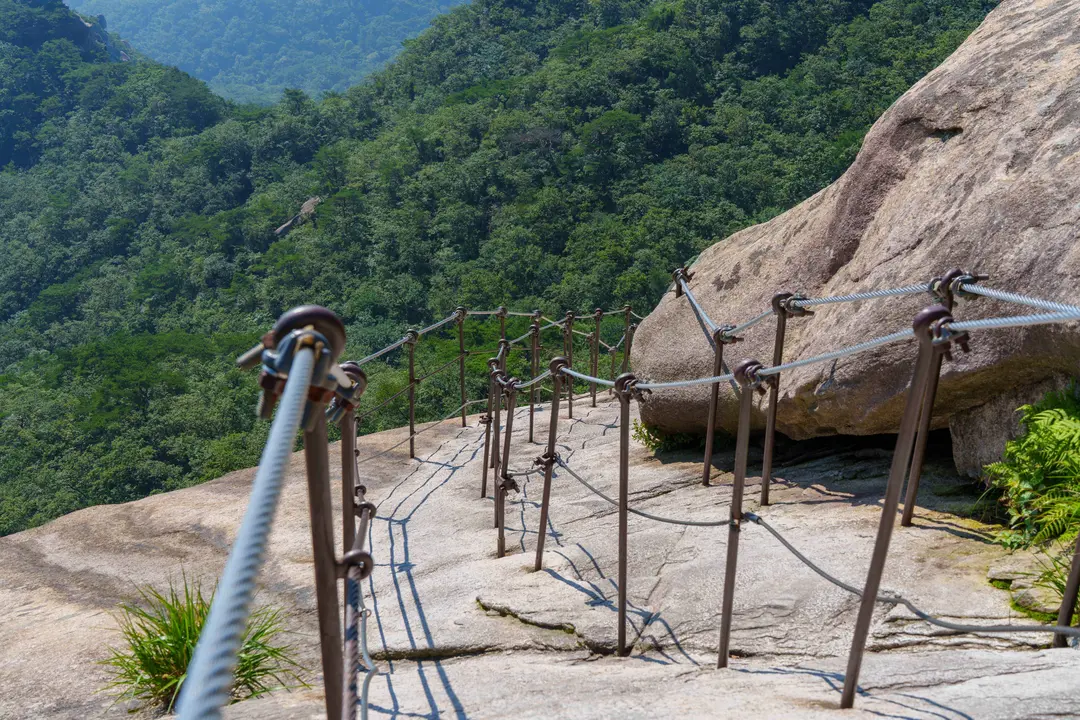
I’d suggest aiming to be at the trailhead early, especially on weekends when the trail gets busy with local hikers.
Practical Tips for Hiking Bukhansan
What to pack before the trailhead
This is one of the most important things to know about hiking in Korea: there are no shops, vending machines, or restaurants on the mountain trail. Once you leave the trailhead, you’re on your own for food and water. Make sure you buy everything you need before you start hiking.
- Pick up water, snacks, and any supplies at a convenience store near Gupabal Station or the trailhead area before you set off.
- Bring more water than you think you’ll need, 8 hours is a long day on a difficult trail.
- Korean mountains have no rubbish bins anywhere on the trail. Pack a small bag and take all your trash back down with you, this is standard hiking etiquette in Korea and it keeps the park beautiful.
Check for Seasonal Trail Closures
Bukhansan National Park enforces seasonal trail closures for fire prevention during two periods each year:
- Spring: Early March (typically March 3). May 15
- Autumn: November 15. December 15
Note: The main trails to Baegundae Peak, including the Bukhansanseong Course, remain fully open year-round even during fire prevention periods. You don’t need to worry about the main summit routes being blocked.
What to Wear and Bring
- Wear proper hiking shoes, trail runners or hiking boots with grip are essential on a Difficult-rated course.
- Layer up, temperatures at the summit can be noticeably cooler than in the city, especially in spring and autumn.
- Bring a fully charged phone with Naver Map downloaded offline if possible.
- A small first-aid kit and a rain layer are always worth the extra weight.
Operating Hours
Bukhansan National Park is open from 04:00 AM year-round (trailhead entry closes at 17:00 in summer/autumn and 16:00 in winter). Night hiking after sunset is strictly prohibited. Given that the round-trip takes about 5 hours, plan your start time carefully.
What I’d change about my pack next time
I underpacked water on this hike. The KNPS estimate of 5 hours turned into closer to 6.5 once I added the rest stops at the Bukhansanseong Information Center and the time spent on the summit taking photos. Bring at least 1.5 L in winter, 2 L from May onward. The convenience store at Gupabal Station Exit 2 is the last reliable resupply — the ones closer to the park entrance close early on weekdays.
Ready to Climb Baegundae?
Baegundae Peak is one of Seoul’s most rewarding day hikes, and getting there by public transport is straightforward once you know the route. Take Line 3 to Gupabal Station, hop on Bus 704, and you’re at the trailhead. Just remember to load up Naver Map (search: 북한산성 탐방지원센터), stock up on water and snacks before you start, and check the KNPS website for any seasonal closures before your trip. Entry is free, the trail is challenging, and the summit is worth the effort.
Have you hiked Baegundae Peak before, or is this your first time tackling a Korean national park trail? Drop your questions or trip reports in the comments below. I’d love to hear how your hike goes!
* Cover image source: ⓒ한국관광공사 포토코리아-한건우