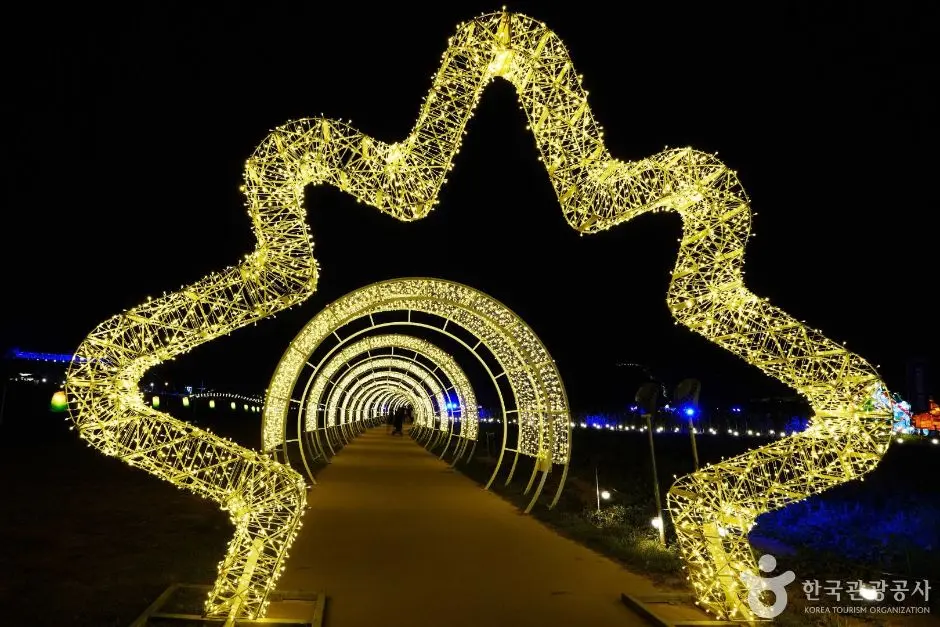
The Baekje Cultural Festival in Gongju is one of Korea’s longest-running historical festivals, commemorating the Baekje Kingdom (18 BC – AD 660) across two cities: Gongju and Buyeo. The 72nd edition of the Baekje Cultural Festival in 2026 is expected to take place from late September to early October, (The 71st edition was held in 2025 please check the official 2026 schedule for finalized dates usually confirmed in the first half of the year) and entrance to the main festival areas and heritage sites is free. If you’re planning a trip to central Korea in autumn, this is a practical and interesting way to spend a few days.
Contents
Quick Facts
| Best Season | Autumn (late September to early October) |
|---|---|
| Difficulty Level | Easy (involves walking around festival grounds) |
| Budget Estimate | Varies — the festival and main heritage sites are free to enter. expect additional costs for food, drinks, and souvenirs |
| Essential Gear | Comfortable walking shoes, camera, portable charger, light jacket for evenings |
| Key Warnings | Large crowds on weekends. traffic congestion near venues. check weather forecasts before going |
What the Festival Is
The Baekje Cultural Festival has been running for over seven decades. It exists to keep the history and culture of the Baekje Kingdom visible — a kingdom that shaped early Korean art, architecture, and Buddhism before falling to the Silla-Tang alliance in AD 660. The festival spans both Gongju (the kingdom’s former capital) and Buyeo (its later capital), so there’s a geographic logic to visiting both if time allows.
The programming typically includes historical reenactments, traditional performances, a grand parade, and a media art show at Gongsanseong Fortress. These aren’t small-scale events — the parade and fortress show in particular draw significant crowds. For visitors with no prior knowledge of Baekje history, the visual storytelling at the festival does a reasonable job of filling in the context.
Main Venues in Gongju
Three sites anchor the Gongju portion of the festival:
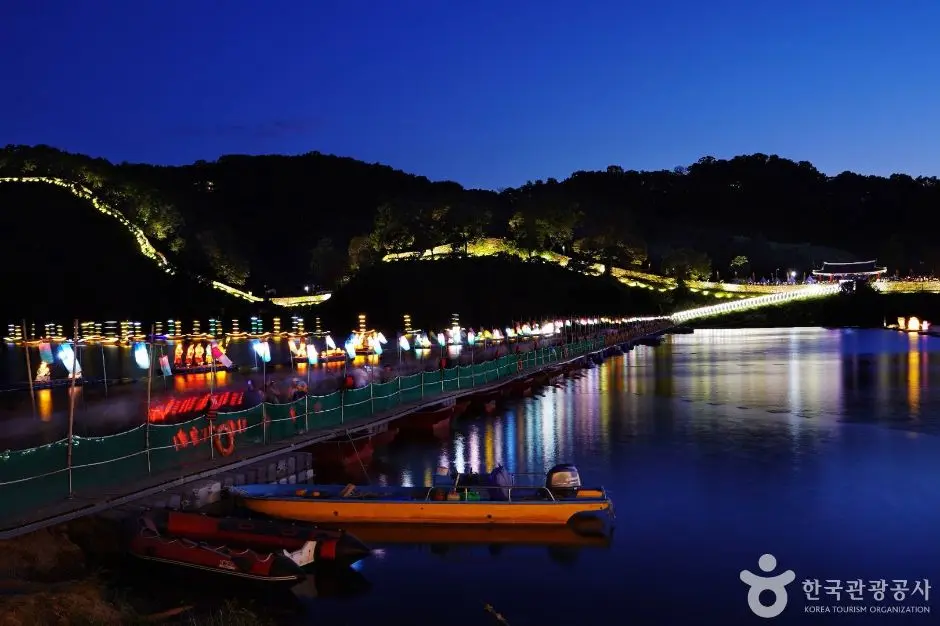
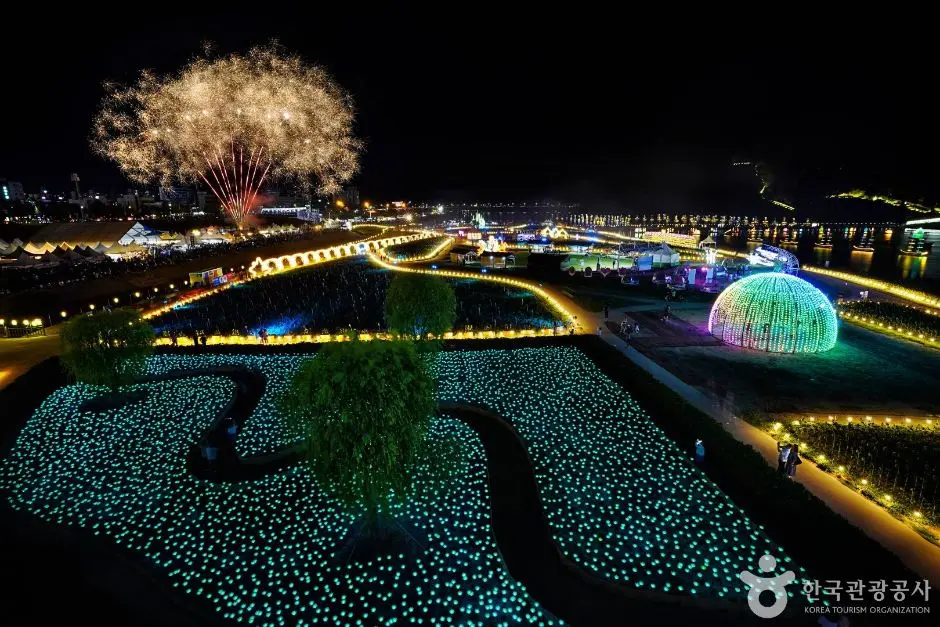
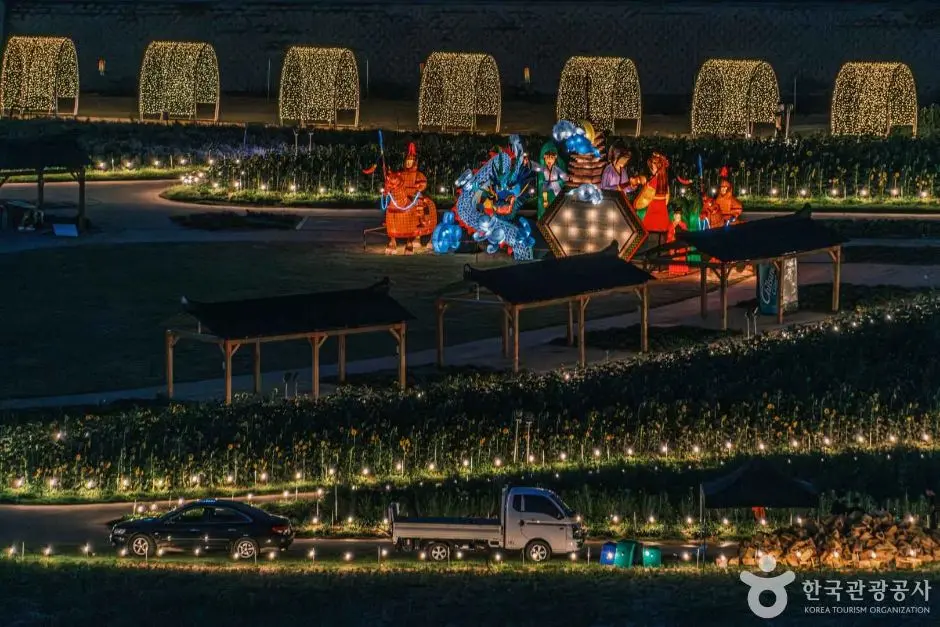
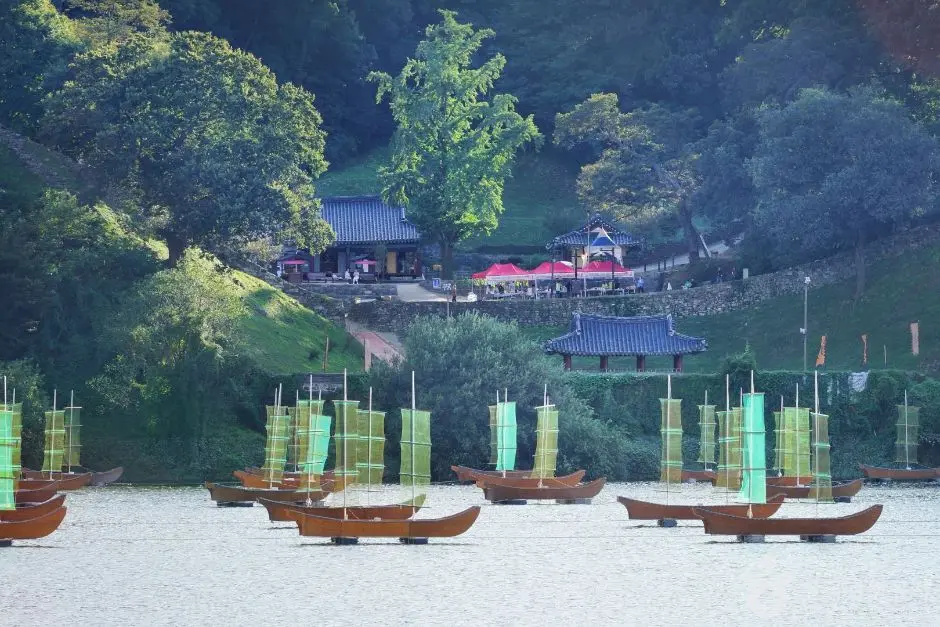
- Geumgang Riverside Park (금강신관공원) — the main open-air festival ground along the Geumgang River, where most of the large-scale performances and market stalls are concentrated.
- Gongsanseong Fortress (공산성) — a UNESCO World Heritage Site and the setting for the media art show. The fortress walls offer elevated views of the river and city.
- Muryeongwangneung and Royal Tombs in Gongju (공주 무령왕릉과 왕릉원) — the burial site of Baekje royalty, including King Muryeong. The tombs themselves are replicas open to visitors, with the originals sealed to prevent deterioration.
While entrance to the main riverside festival grounds is free, major heritage sites like Gongsanseong Fortress and the Royal Tombs normally charge an admission fee (Adults: 3,000 KRW). Free admission may be offered temporarily during specific festival hours, but it is not guaranteed for all heritage sites throughout the event.
What to Expect on the Ground
The festival runs from September 27 to October 5, and the experience varies considerably depending on when you go. Weekends are significantly busier, with crowds at the riverside park and fortress reaching levels that slow movement between stages. Weekday visits are calmer and easier to navigate, particularly for the heritage sites.
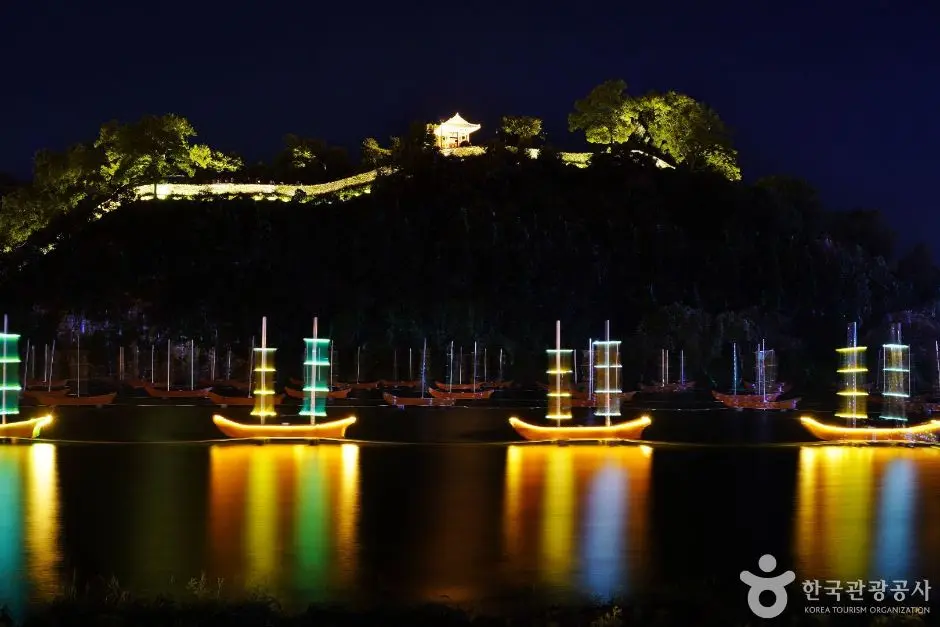
Evenings at Gongsanseong Fortress are worth planning around. The media art show uses the fortress walls as a projection surface, and the effect is more compelling after dark. Temperatures in late September and early October can drop noticeably once the sun sets, so a light jacket isn’t optional — it’s practical.
Food stalls at Korean festivals tend to cluster near the main stage areas. Expect tteokbokki, hotteok, grilled skewers, and seasonal items. Prices are generally reasonable, but lines at popular stalls get long during peak hours. Eating slightly off-peak, before noon or after the main evening program, saves time.
Common Mistakes Visitors Make
A few patterns come up repeatedly with international visitors at large Korean festivals.
Arriving by car on a weekend. Traffic congestion around the festival venues is a documented issue. Driving in and expecting easy parking is optimistic. Public transportation or a taxi from a nearby transit point is the more reliable option on busy days.
Not checking the program schedule in advance. The reenactments and parade run at specific times. Showing up without knowing the schedule means potentially missing the events that make the festival distinct from a regular market. Check the official Baekje Cultural Festival website for the full 2025 program before you go.
Underestimating the walking involved. The three main Gongju venues aren’t all within a few steps of each other. The festival is rated easy in terms of physical difficulty, but visitors who wear unsupportive footwear or don’t pace themselves across the day tend to wear out before the evening programs. Comfortable shoes matter here.
Assuming everything is in English. Signage at the venues is often bilingual, but program announcements, MC commentary, and some informational panels are Korean-only. Having a translation app ready on your phone is useful. Naver Papago handles Korean well.
Leaving the portable charger at the hotel. A full day at the festival involves a lot of map-checking, photography, and translation app use. Phone batteries drain faster than expected. A portable charger is on the essential gear list for good reason.
Skipping Songsan-ri Royal Tombs. The riverside park gets the most foot traffic, but the royal tombs are the site with the most historical weight. The replica tomb interiors give a clear sense of Baekje burial practices and the artifacts recovered from King Muryeong’s tomb. It’s quieter than the main festival ground and worth the time.
Getting There and Getting Around
Gongju is accessible by intercity bus to the Gongju General Terminal or by KTX/SRT to Gongju Station. Note that Gongju Station is located approximately 15-20km from the city center festival venues, requiring an additional 30-minute bus or taxi ride. Specific bus numbers and schedules change seasonally, so check Naver Map or Kakao Map for current routes and travel times before your trip. Both apps have English interfaces and real-time transit data.
During the festival period, local shuttle services sometimes operate between venues. Whether that’s the case in 2025 and what the schedule looks like isn’t confirmed yet, the official festival website will have that information closer to the event dates.
Build in extra travel time on weekends. The congestion warning in the key specs isn’t an exaggeration, festival traffic in smaller Korean cities can back up significantly, and that applies to buses as well as private vehicles.
What to Bring
- Comfortable walking shoes, you’ll cover more ground than it looks on a map
- A light jacket or layer for evenings, especially if you’re staying for the Gongsanseong media art show
- A portable charger and the appropriate cable for your phone
- Cash, smaller food stalls at Korean festivals don’t always accept cards, though this is improving
- A camera or a phone with a decent camera. the fortress and riverside settings photograph well in autumn light
- A reusable bag if you plan to buy food or souvenirs
Korea’s general outdoor etiquette applies here: pack out your trash, or use the bins provided at the festival grounds. Waste management at large events is taken seriously, and the bins are usually well-placed.
The Baekje Cultural Festival is a low-cost, high-context way to engage with a part of Korean history that doesn’t get as much international attention as the Joseon period. Entrance to the festival and main heritage sites is free, and the nine-day window from September 27 to October 5 makes it easier to fit into a broader Korea itinerary than most major festivals.
* Cover image source: ⓒ한국관광공사 포토코리아-노희완