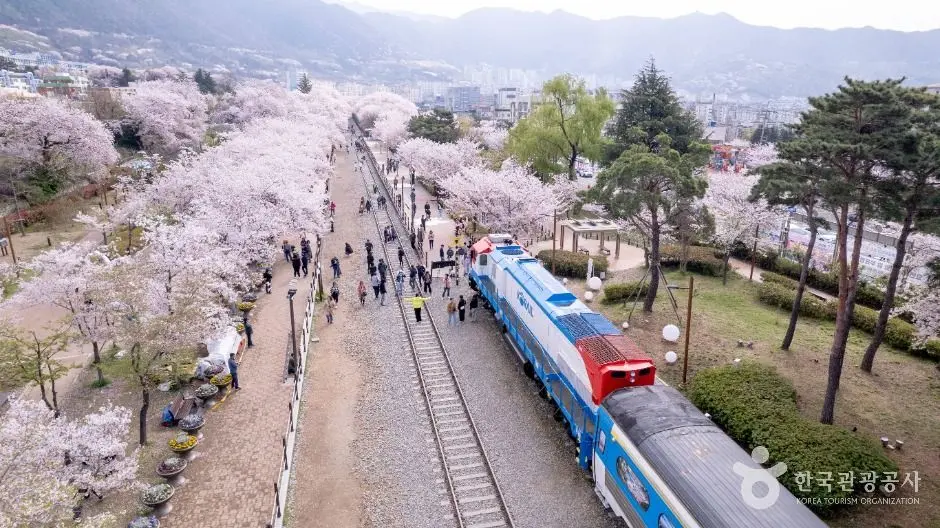
Jinhae Cherry Blossom Festival crowds are real, and they can turn a pleasant spring outing into an exhausting push through slow-moving foot traffic if you arrive unprepared. This guide covers what to expect, how to time your visit, and the mistakes that catch most first-timers off guard.
Contents
Quick Facts
| Festival details | Check the official website or Naver Map for current details. |
|---|---|
| Best season | Check the official website or Naver Map for current details. |
| Budget estimate | Check the official website or Naver Map for current details. |
| Essential gear | Check the official website or Naver Map for current details. |
| Key warnings | Check the official website or Naver Map for current details. |
How Crowded Is It Really
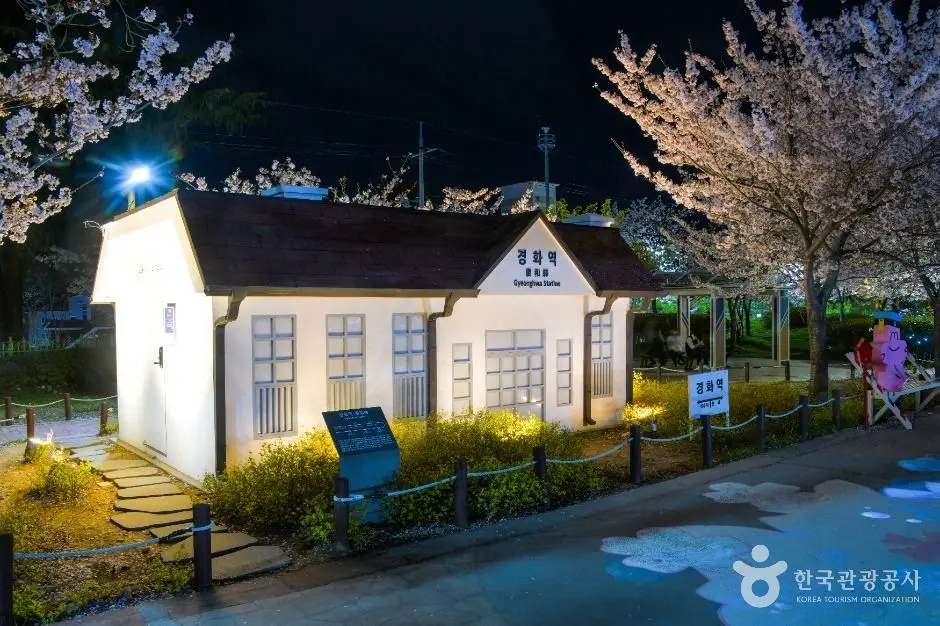
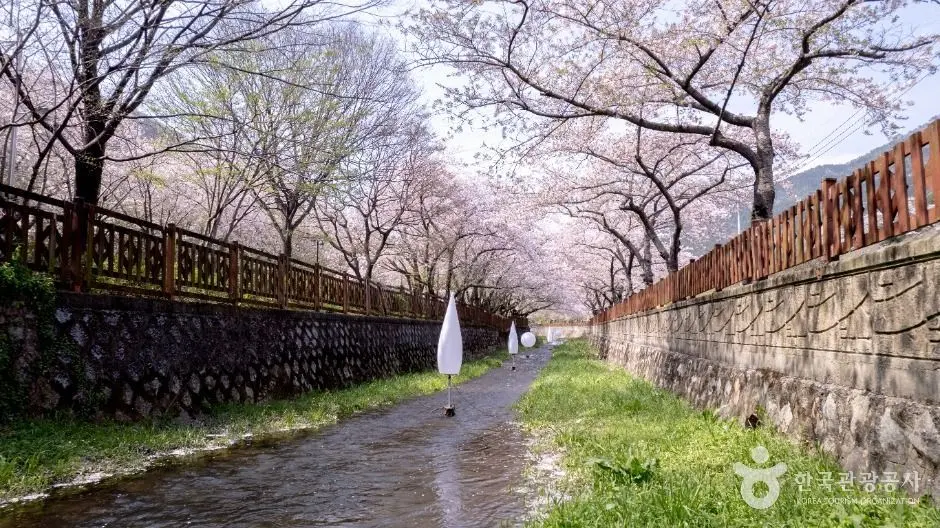
Jinhae is a district (Jinhae-gu) within Changwon City in South Gyeongsang Province, and for most of the year it moves at a quiet pace. During cherry blossom season, that changes completely. The festival draws visitors from across Korea and from abroad, and the core areas around Yeojwacheon Stream and Gyeonghwa Station become difficult to move through on peak weekend days.
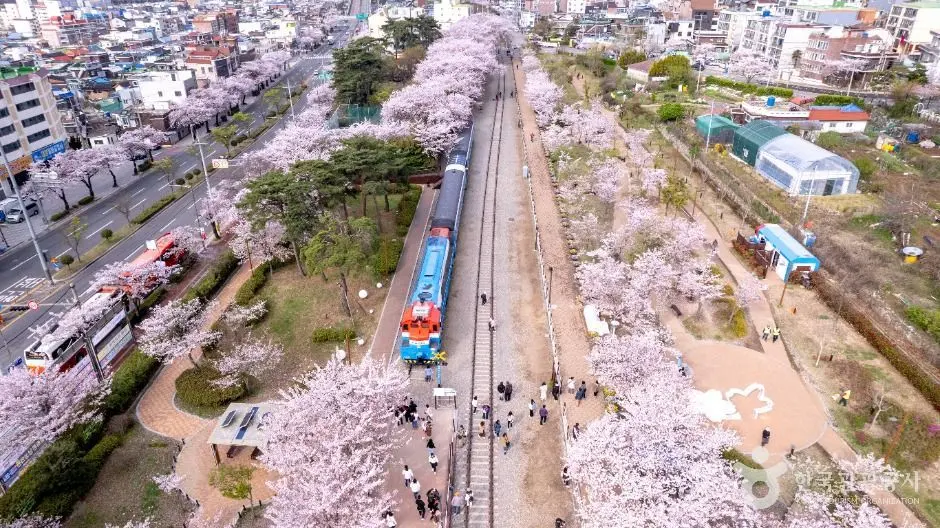
This isn’t a case of mild inconvenience. On the busiest days, the streets near the main viewing spots fill to the point where walking at a normal pace isn’t possible. Queues form for food stalls, parking lots fill hours before midday, and local buses run packed. If your plan is to show up on a Saturday afternoon during peak bloom with no prior preparation, the crowds will define your experience more than the blossoms will.
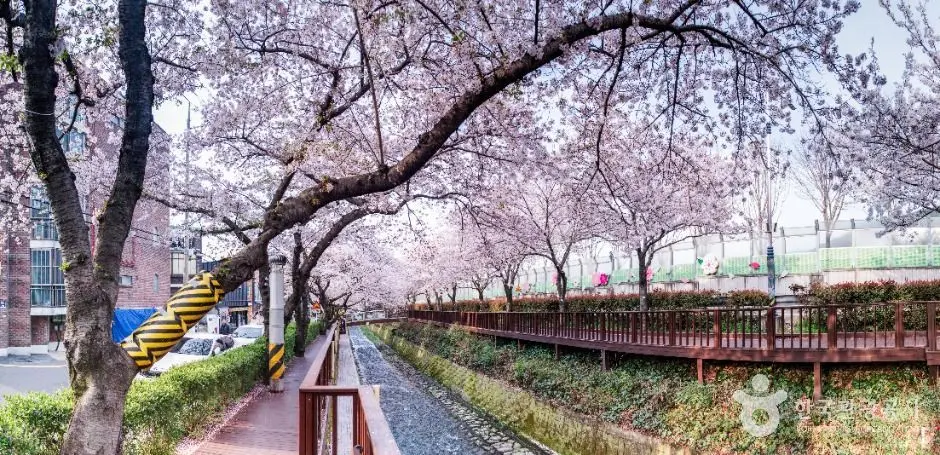
That said, the festival is manageable with the right approach. The crowds thin noticeably on weekday mornings, and areas slightly removed from the main drag stay calmer throughout the day. Knowing where the pressure points are is most of the battle.
Timing Your Visit
Bloom timing shifts from year to year depending on winter temperatures and the pace of spring warming. For 2026 dates and bloom forecasts, check the Korea Meteorological Administration or the official Jinhae festival announcements closer to the season. Confirm all dates before booking anything.
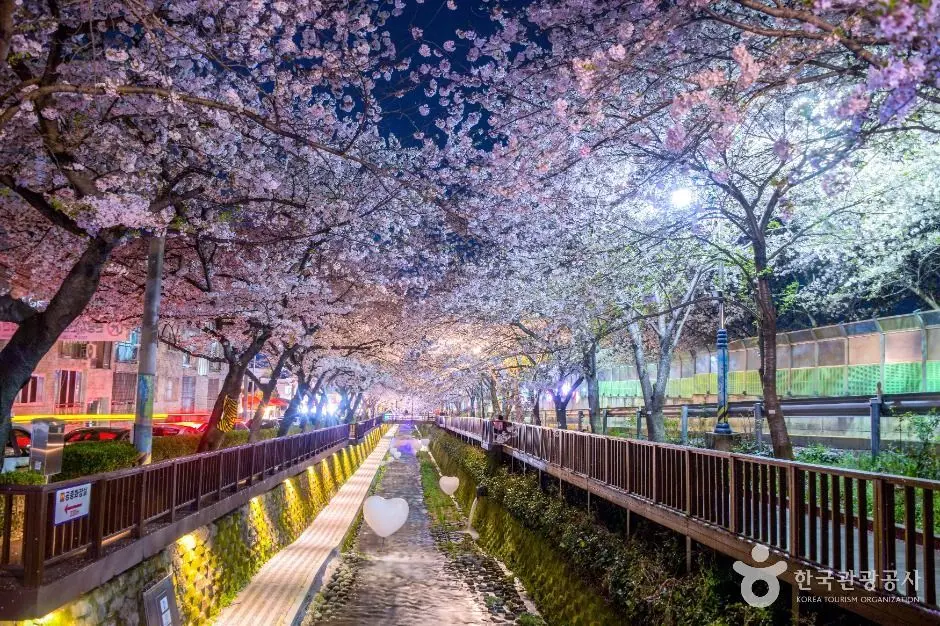
Within the festival window, timing within the day matters as much as which day you choose. Early mornings are consistently the quietest. The light is also better for photos at that hour. Weekday visits are noticeably calmer than weekends. If your schedule allows a midweek morning arrival, the difference is significant.
Avoid arriving in the early afternoon on any day. That window tends to be when the crowds peak. If you arrive late in the day, the light fades quickly and the food stalls run out of popular items.
Getting There Without the Chaos
Driving to Jinhae during the festival isn’t recommended unless you’re arriving very early or staying overnight nearby. Parking near the main festival areas fills fast, and the surrounding roads back up badly on peak days. Many visitors end up walking much farther from their car than they expected.
Public transport is the more reliable option. During the festival period, additional shuttle services sometimes operate, but confirm current routes and schedules through Naver Map or the official festival channels before your trip. Bus and shuttle schedules change, and information from previous years may not apply to 2026.
Check Naver Map for live transit options rather than relying on fixed schedules found in older travel posts.
What to Bring
Spring weather in this part of Korea can shift quickly. Mornings during the festival period are often cold enough to need a mid-layer, while afternoons can feel warm in direct sun. Bring layers you can remove and pack easily.
- A reusable water bottle. Hydration points and convenience stores exist, but lines get long.
- Comfortable walking shoes. The main festival areas involve a lot of pavement and some uneven ground.
- Cash. Most food stalls and vendors accept cards, but it’s wise to carry some cash for the occasional vendor who might only accept cash.
- A small daypack to keep your hands free in the crowds.
- Snacks from a convenience store before you reach the main areas. Food prices at festival stalls are higher, and the queues take time.
- A portable battery pack if you plan to use your phone for navigation and photos throughout the day.
Korea has strict rules about trash disposal in public spaces. Pack a small bag for your own waste and use the designated bins. Don’t leave food packaging on the ground or on walls along the stream paths.
Common Mistakes Visitors Make
A few patterns come up repeatedly among visitors who leave disappointed.
Arriving without accommodation sorted. Hotels and guesthouses in Jinhae and the surrounding area book out well in advance for festival weekends. If you haven’t confirmed a place to stay, you may end up commuting from further away, which adds time and cost to an already busy day.
Assuming the bloom will match the festival dates exactly. Cherry blossoms don’t follow a fixed calendar. A warm winter can push the bloom earlier. A cold snap can delay it. The festival runs on set dates regardless of where the trees are in their cycle. Check bloom forecasts from the Korea Meteorological Administration in the week before your visit, not just the festival schedule.
Relying on Google Maps for transit. Google Maps coverage for local buses in smaller Korean cities is inconsistent. Naver Map is more accurate for Korean public transport, including real-time bus arrivals and walking routes. Download it before you travel.
Skipping the less-visited areas. Most visitors concentrate on the same well-known spots. Other parts of Jinhae have cherry trees with far fewer people around them. Exploring a bit further from the main drag takes more effort but produces a calmer experience.
Underestimating how long everything takes. Getting food, moving between spots, waiting for a clear photo, finding a toilet — all of it takes longer than expected when the crowds are at their peak. Build more time into your plan than you think you need.
Not checking the weather. Rain during the festival isn’t unusual, and it affects both the crowds and the bloom. A rainy day actually thins the crowds considerably, which some visitors find worthwhile. But it also shortens the life of the blossoms. Keep an eye on the forecast and adjust your plans accordingly.
Is It Worth It
The honest answer is that it depends on what you’re expecting. If the goal is a quiet walk under cherry trees, Jinhae during peak festival weekend is probably not the right choice. There are less-visited spots around Korea where the blossoms are just as good and the crowds are a fraction of the size.
But Jinhae has a specific atmosphere during the festival that’s hard to find elsewhere. The scale of the trees, the density of the blossoms along the stream, and the general energy of the event are distinctive. For visitors who don’t mind crowds and come prepared, it holds up.
Go on a weekday. Go early. Sort your accommodation and transport in advance. Those three things will do more for your experience than any other preparation. For the most current festival dates, shuttle routes, and bloom forecasts, check the official Jinhae festival announcements or the Korea Meteorological Administration weather and bloom forecast page as the season approaches.
* Cover image source: ⓒ한국관광공사 포토코리아-라이브스튜디오