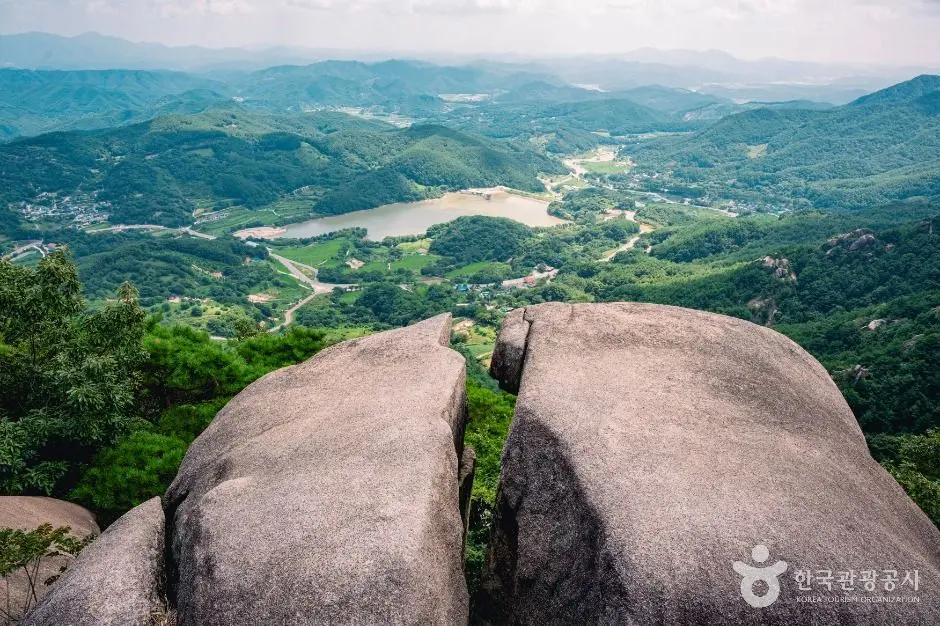
This guide covers the ultimate Hwangmaesan Mountain hiking guide. Straddling the border of Hapcheon and Sancheong counties in Gyeongsangnam-do, Hwangmaesan is one of South Korea’s most beloved county parks (County Park, 군립공원) — famous for its royal azalea blooms in spring and its sweeping silver grass fields in autumn. Whether you’re a seasoned hiker or a curious first-timer, this guide covers everything you need to plan a safe, rewarding visit.
Contents
Quick Facts
| Altitude | 1,113m |
|---|---|
| Distance (Deokman Parking Lot to Peak) | Approximately 3.8km to 4.2km |
| Duration (Deokman Parking Lot to Peak) | 2 hours one-way / 4 hours round-trip |
| Difficulty | Moderate |
| Trailhead | 덕만주차장 (Deokman Parking Lot) |
| Transport | Check Naver Map for current bus numbers and schedules to Hapcheon or Sancheong terminals, then local buses or taxis to trailheads. |
| Entrance Fee | Free (parking fees may apply) |
| Seasonal Closures | Spring: February 1 – May 15 / Autumn: November 1 – December 15 |
Why Hwangmaesan?
Hwangmaesan Provincial Park sits at 1,108m above sea level and has earned a devoted following among Korean hikers — and increasingly, international visitors too. The mountain is celebrated for two spectacular natural displays: the vast fields of royal azaleas (철쭉) that paint the slopes in vivid pink and purple from late April to mid-May, and the golden-silver waves of silver grass (억새) that ripple across the ridgeline every autumn. These seasonal spectacles make Hwangmaesan one of the most photogenic mountains in all of South Korea.
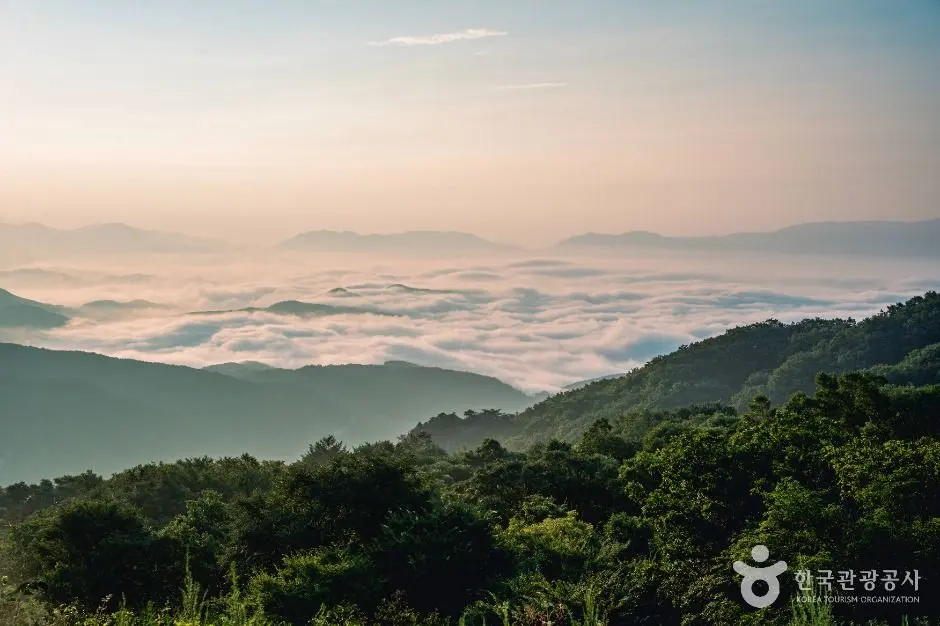
Unlike many of Korea’s more crowded parks, Hwangmaesan retains a sense of natural calm — though during the annual Hwangmaesan Azalea Festival, the trails do get busy. If you can time your visit right, the reward is worth it. For the most up-to-date official information, I’d suggest checking the VisitKorea official page for Hwangmaesan Provincial Park before you go.
Getting There
Getting to Hwangmaesan requires a bit of planning, but it’s very manageable. The mountain straddles Hapcheon and Sancheong counties, so you can approach from either side depending on your starting point.
Here’s the most important tip for navigating Korea as an international visitor: Google Maps doesn’t work reliably in South Korea. Instead, use Naver Map or KakaoMap — both are free, available in English, and give accurate public transit and driving directions. To search for the trailhead, copy and paste this Korean text directly into Naver Map or KakaoMap:
- Mountain name: 황매산 (Hwangmaesan)
- Main trailhead: 덕만주차장 (Deokman Parking Lot)
- Alternative access point: 황매산 영화주제공원 (Hwangmaesan Movie Theme Park)
The general approach is to travel by intercity bus or train to either Hapcheon or Sancheong, and then take a local bus or taxi to the trailhead. Because local bus schedules in rural areas can change seasonally, I recommend checking Naver Map for the most current routes and departure times closer to your travel date — don’t rely on information that might be months old.
If you’re driving, navigation apps like Naver Map and KakaoMap work seamlessly with Korean GPS. Parking is available at Deokman Parking Lot and at the Hwangmaesan Movie Theme Park parking area. Note that while park entry is free, parking fees may apply at these lots.
Trail Guide: Deokman Parking Lot to the Peak
The most popular and well-documented route for Hwangmaesan begins at Deokman Parking Lot (덕만주차장). This is the route recommended by Sancheong County’s tourism resources, and it’s a great choice for visitors who want a straightforward, rewarding hike.
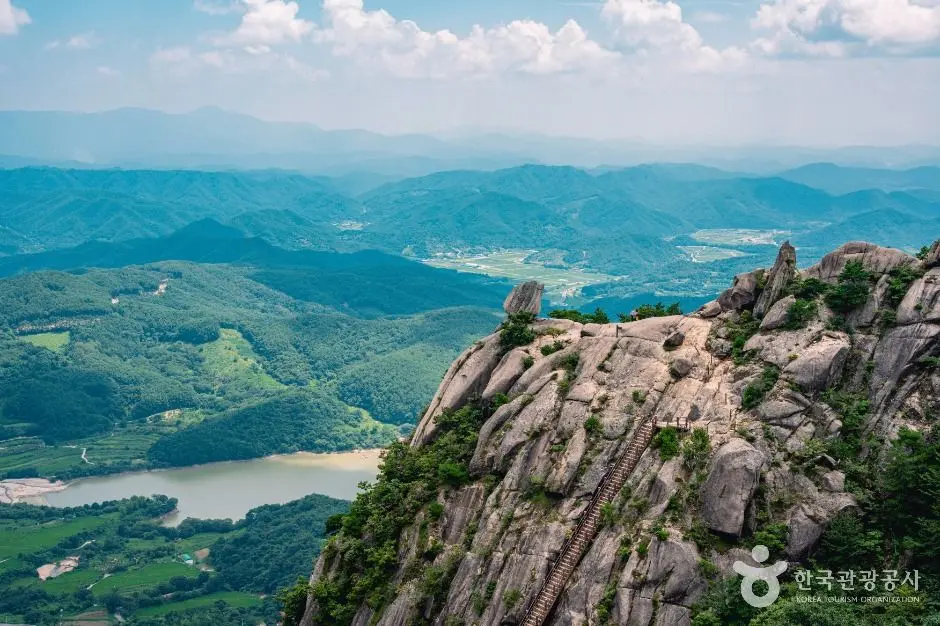
- One-way distance: approximately 3.5km
- Round-trip distance: approximately 7.0km
- Estimated time to summit: about 2 hours
- Estimated round-trip time: about 4 hours
- Difficulty: Moderate
The route is rated moderate — accessible to reasonably fit hikers who are comfortable with sustained uphill walking, but not requiring technical skills or specialist equipment. That said, “moderate” in Korea can still mean a meaningful workout, so don’t underestimate it. Wear proper hiking shoes with ankle support, and dress in layers since mountain temperatures can differ significantly from the valley below.
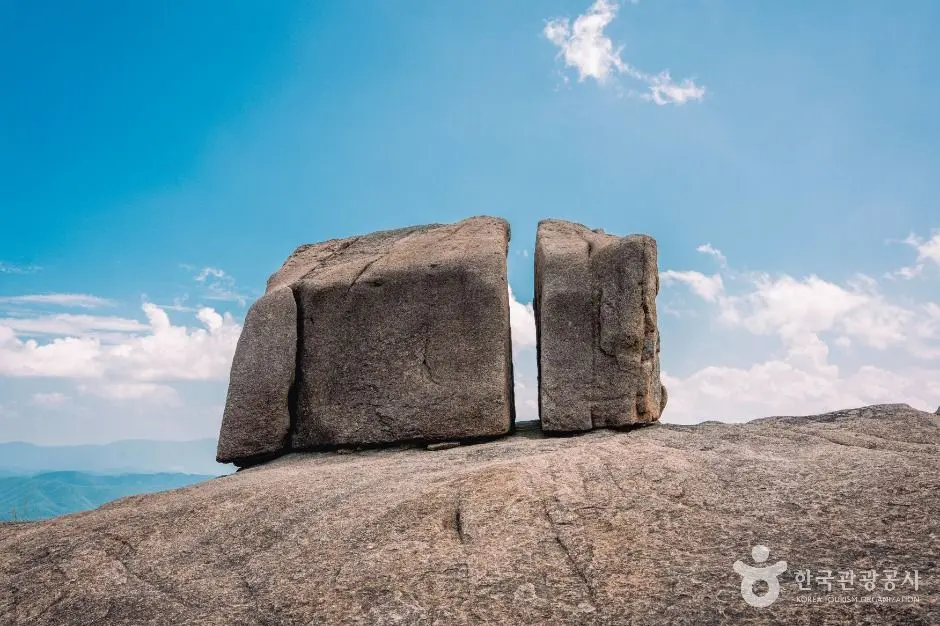
During the annual Hwangmaesan Azalea Festival, shuttle buses are often provided from designated parking areas to the Hwangmaesan Movie Theme Park (황매산 영화주제공원), making it easier to access the famous azalea fields. Check local festival announcements for shuttle availability in the year you plan to visit.
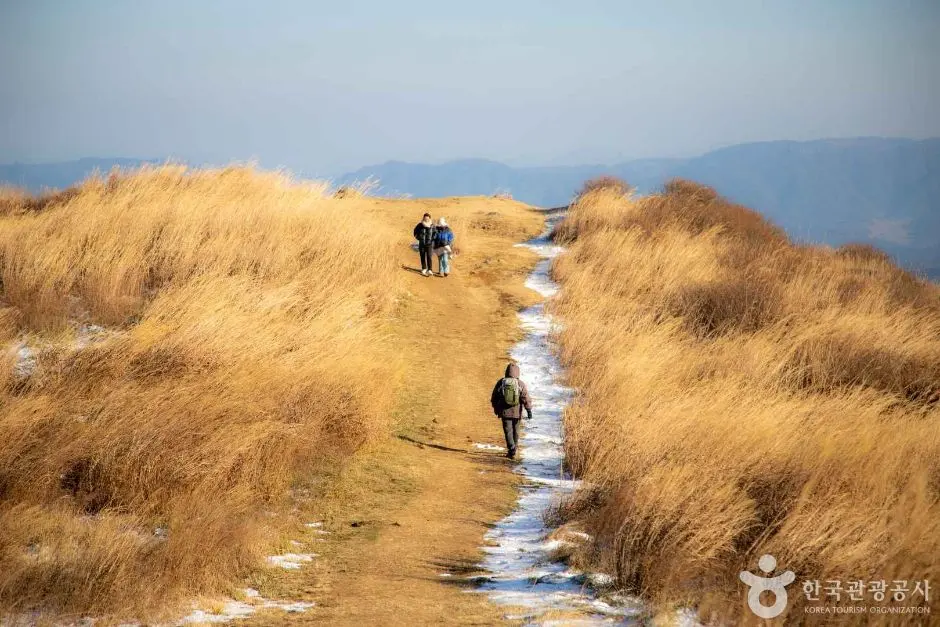
I’d suggest starting your hike as early in the morning as possible, especially during peak azalea season. The trails get significantly busier as the day goes on, and an early start means cooler temperatures, better light for photos, and a more peaceful experience on the trail.
Best Seasons to Visit
Hwangmaesan is spectacular in two distinct seasons, and choosing when to go will shape your entire experience.
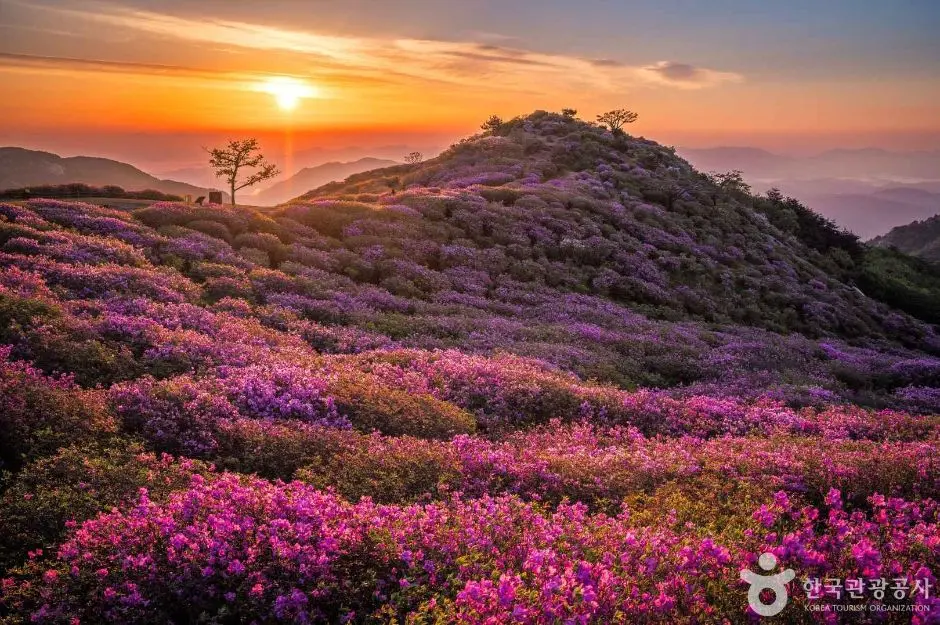
Spring: Royal Azalea Season (Late April to Mid-May)
This is Hwangmaesan’s most famous season. The mountain’s upper slopes transform into a sea of royal azaleas (철쭉), a sight that draws visitors from across Korea and beyond. The annual Hwangmaesan Azalea Festival typically takes place during this period, bringing additional facilities and shuttle services to the area. If you’re visiting in spring, plan well in advance: accommodation in Hapcheon and Sancheong fills up quickly during festival weekends.
Autumn: Silver Grass Season
Autumn brings a completely different kind of beauty to Hwangmaesan. The ridgeline fills with silver grass (억새) that catches the light and sways in the mountain breeze, creating a soft, painterly landscape. Autumn is also generally more comfortable for hiking than the humid Korean summer, making it an excellent time to visit for those who prefer cooler conditions.
Important: Seasonal Closure Warning
This is critical information that many visitors overlook. Hwangmaesan Provincial Park typically closes sections of the trail, or the entire park, during two periods each year for wildfire prevention:
- Spring closure: typically March to May
- Autumn/winter closure: typically November to December
The exact dates vary every year depending on weather conditions and official decisions. Here’s the tricky part: the spring azalea season overlaps with the spring fire prevention closure period. This means the park may be open for the festival but closed on other dates nearby. Always check the official Hapcheon or Sancheong county tourism websites for the current year’s closure schedule before you travel. Showing up to a closed trailhead is a frustrating experience that’s entirely avoidable with a quick check beforehand.
Practical Tips for Hikers
No Facilities on the Trail. Prepare Before You Start
This is one of the most important things to understand about hiking in Korea: there are no shops, vending machines, restaurants, or water fountains on the mountain trail itself. Once you leave the trailhead, you’re on your own for supplies. This applies to Hwangmaesan just as it does to every other Korean mountain.
Before you start hiking, stock up at a convenience store near the trailhead or in the nearest town. Pick up:
- Enough water for the full round-trip (at least 1, 1.5 litres per person, more in warm weather)
- Energy snacks, kimbap, triangle rice balls, energy bars, or trail mix
- Any medication or first aid supplies you might need
Take Your Trash Back Down
There are no trash cans on Hwangmaesan’s hiking paths. This is standard across all Korean mountains, it’s not an oversight, it’s intentional. Korean hiking culture has a strong leave-no-trace ethic, and you’ll be expected to carry all your waste back down to the trailhead. Bring a small zip-lock bag or lightweight trash bag for wrappers, peels, and packaging. Leave the mountain exactly as you found it.
What to Wear and Bring
- Sturdy hiking shoes or trail runners with good grip
- Layers, mountain temperatures can be significantly cooler than the valley
- Sun protection: hat, sunscreen, and sunglasses
- A light rain layer, especially in spring when weather can change quickly
- Trekking poles if you’ve them, useful on the descent
- A fully charged phone with Naver Map downloaded offline if possible
Fees and Parking
Entry to Hwangmaesan Provincial Park is free of charge. However, parking fees may apply at popular trailhead lots including Deokman Parking Lot and the Hwangmaesan Movie Theme Park parking area. Bring some cash just in case, as rural parking facilities don’t always accept cards.
Final Thoughts
Hwangmaesan is the kind of mountain that rewards those who plan carefully and arrive with the right expectations. It’s not the most challenging hike in Korea, but it’s one of the most visually, especially if you time your visit to catch the azaleas or the silver grass at their peak. The 3.5km route from Deokman Parking Lot to the summit is a satisfying half-day adventure that most reasonably fit hikers can enjoy, and the views from 1,108m make every step worthwhile.
Just remember the golden rules: check the seasonal closure dates before you go, load up on water and snacks before hitting the trail, use Naver Map (not Google Maps) for navigation, and carry all your trash back down. Follow those basics and you’re set for a memorable day on one of Gyeongsangnam-do’s finest mountains.
Have you visited Hwangmaesan during azalea season, or are you planning an autumn silver grass trip? Drop a comment below. I’d love to know which season you’re targeting and whether you’ve any questions about the trail!
* Cover image source: ⓒ한국관광공사 포토코리아-장재윤