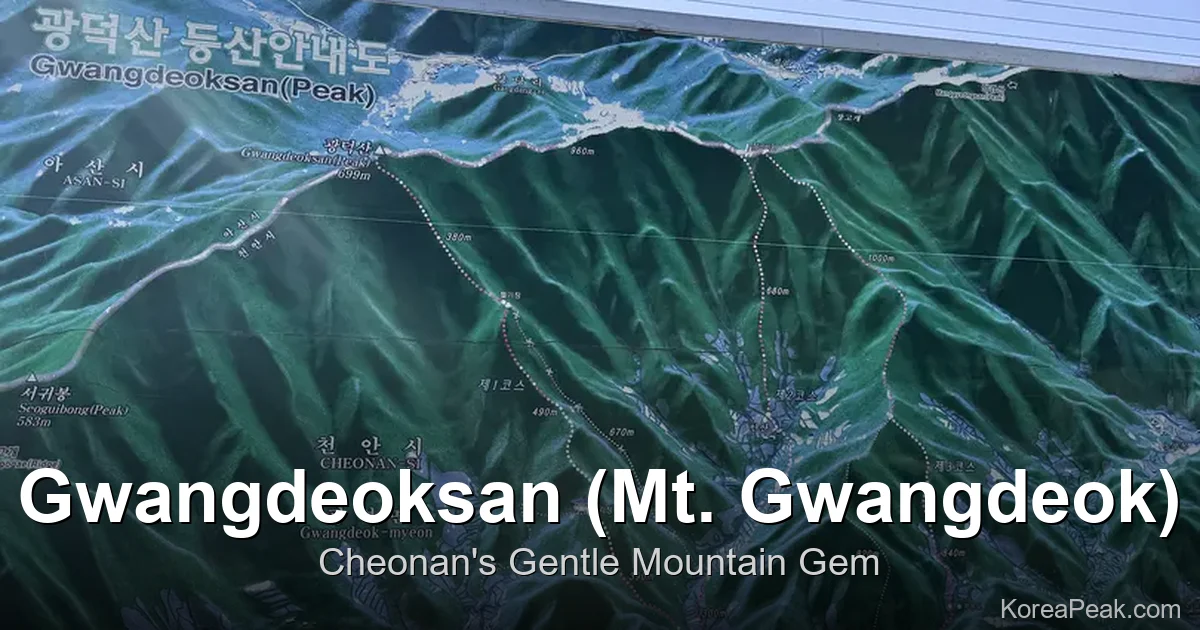
Looking for an accessible Gwangdeoksan hiking guide? Just 90 minutes from Seoul, Gwangdeoksan (Mt. Gwangdeok, 699m) offers one of the most rewarding easy hikes in South Korea’s Chungcheongnam-do province. This Black Yak 100 Famous Mountains Challenge peak—a wildly popular bucket list trend among Korean hikers—combines historical temple grounds, a legendary 568-step staircase, and panoramic ridgeline views without the technical difficulty of Seoul’s rockier peaks.
Contents
Trail Overview & Quick Facts
Gwangdeoksan stands as the highest peak in the entire Geumbuk Mountain Range, which stretches from Anseong (Gyeonggi-do) to Taean on the west coast. Despite its regional prominence, this is a beginner-friendly ‘yuksan’ (soil mountain)—a Korean hiking term that describes gentle, forested peaks with stable dirt trails rather than exposed granite scrambles.
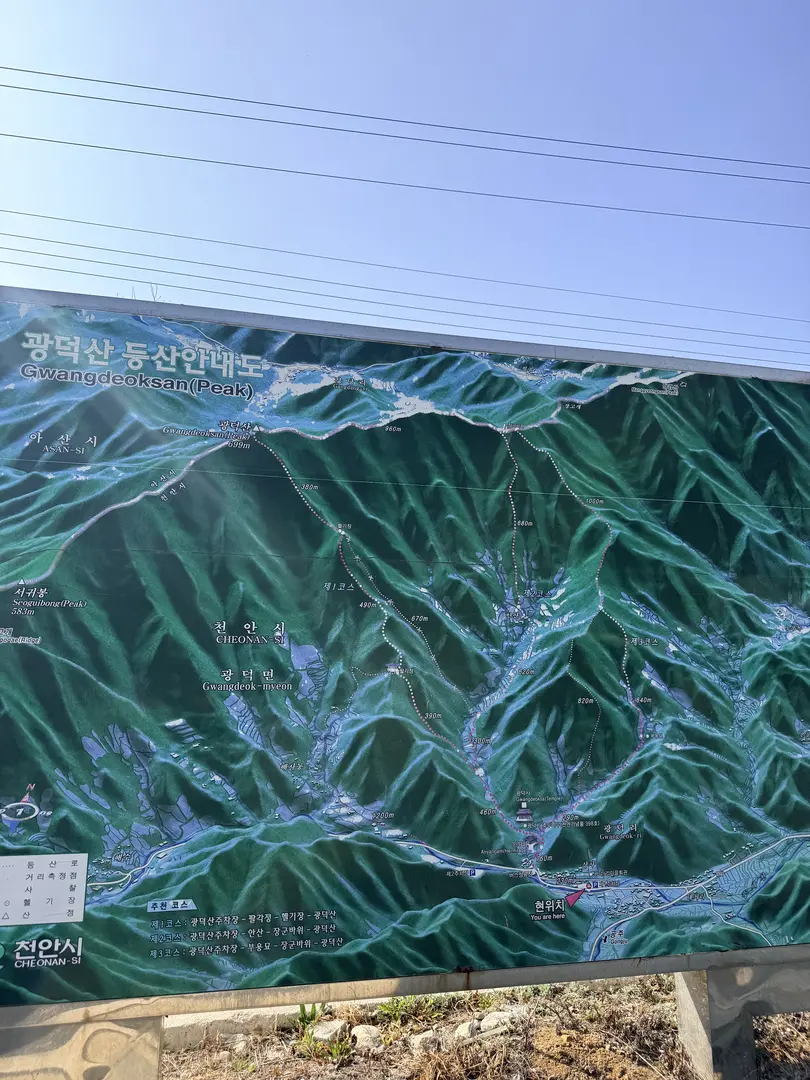
- Elevation: 699m (2,293 ft)
- Location: Border of Cheonan-si and Asan-si, Chungcheongnam-do
- Difficulty: Easy (suitable for beginners and families)
- Total Time: 3 hours (including breaks)
- Trail Type: Loop via Gwangdeoksa Temple (Course 1)
- Trailhead: Gwangdeok Public Parking Lot No.2 (광덕 제2공영주차장)
- Best Season: Year-round (note: some Korean mountains restrict access during spring/fall fire prevention periods—check local notices)
Getting There & Navigation Tips
Important for foreigners: Google Maps has limited functionality in South Korea due to data restrictions. Download Naver Map or KakaoMap apps before your trip—both have English interfaces.
By Public Transport from Seoul
Take the KTX from Seoul Station to Cheonan-Asan Station (approximately 30 minutes). From there, hire a taxi (20 minutes, around ₩15,000-20,000) or take a local bus toward Gwangdeoksa Temple area. Public transport to the trailhead is limited, so I highly recommend the taxi option or joining a hiking meetup group.
By Car
Driving from Seoul takes approximately 1.5 hours via Expressway 1. Free parking is available at two locations:
- Gwangdeok Public Parking Lot No.2 (광덕 제2공영주차장) – Closest to the trailhead; use this one
- Gwangdeok Public Parking Lot No.1 (광덕 제1공영주차장) – Further walk, but near food shops
Weekend Warning: Parking fills up quickly on weekends and holidays, even early in the morning. Weekdays around 10am still offer ample space. Copy and paste the Korean name 광덕 제2공영주차장 directly into Naver Map for precise navigation.
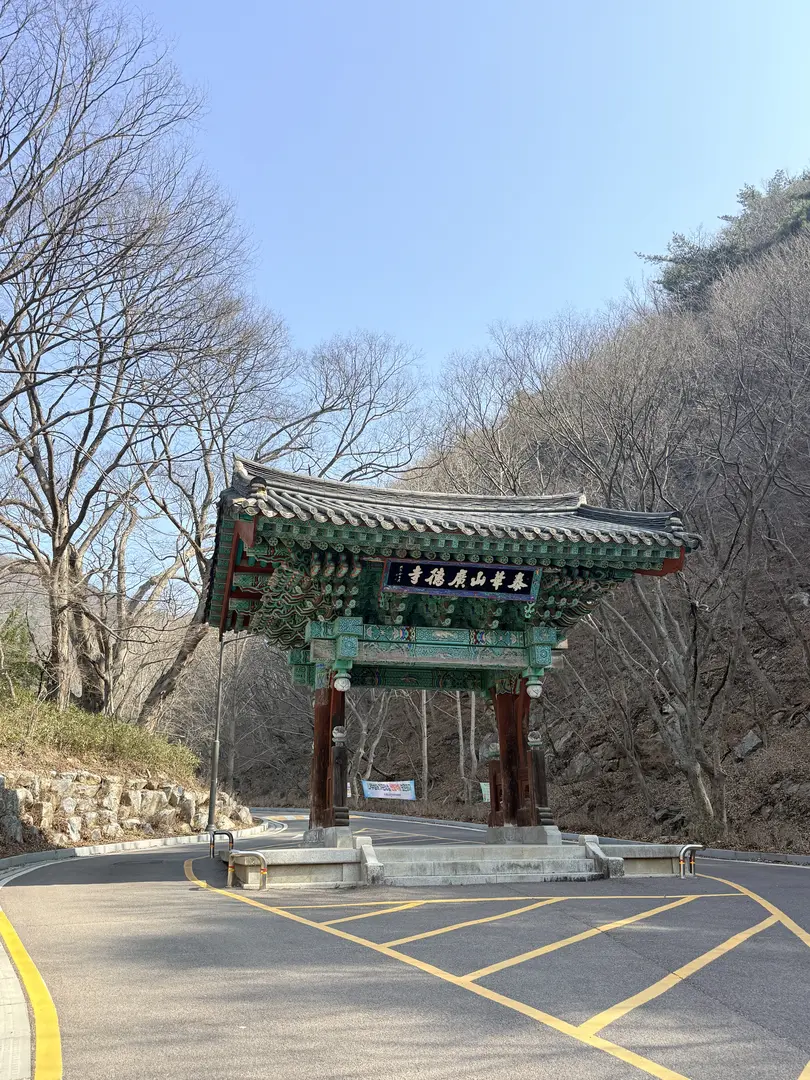
Starting Point: Gwangdeoksa Temple & Korea’s First Walnut Tree
The trail begins at Gwangdeoksa Temple (광덕사), a serene Buddhist temple founded during the Silla Dynasty (57 BCE–935 CE). Even if you’re not interested in temple architecture, don’t skip the entrance area—standing prominently near the temple gate is Natural Monument No. 400: Korea’s oldest walnut tree, planted approximately 700 years ago during the Goryeo Dynasty.
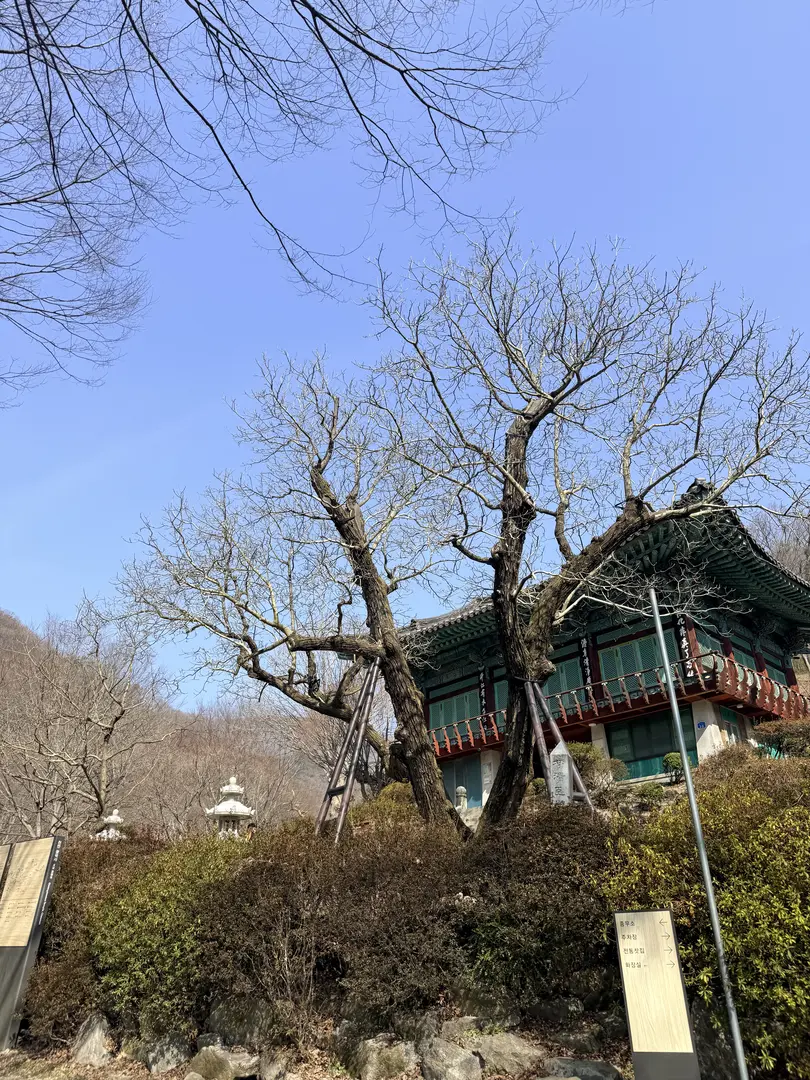
According to historical records, a scholar named Yu Cheong-sin brought walnut saplings from China and planted them here during the reign of King Chungryeol. This single tree sparked Cheonan’s entire walnut industry, which we’ll revisit in the food section below.
Past the temple, follow the well-marked trail to the left at the first junction (the right path leads directly to Janggun Rock, which we’ll visit on the descent). The trail surface transitions from paved walkways to compact forest soil—comfortable in any season.
The Famous 568-Step Challenge
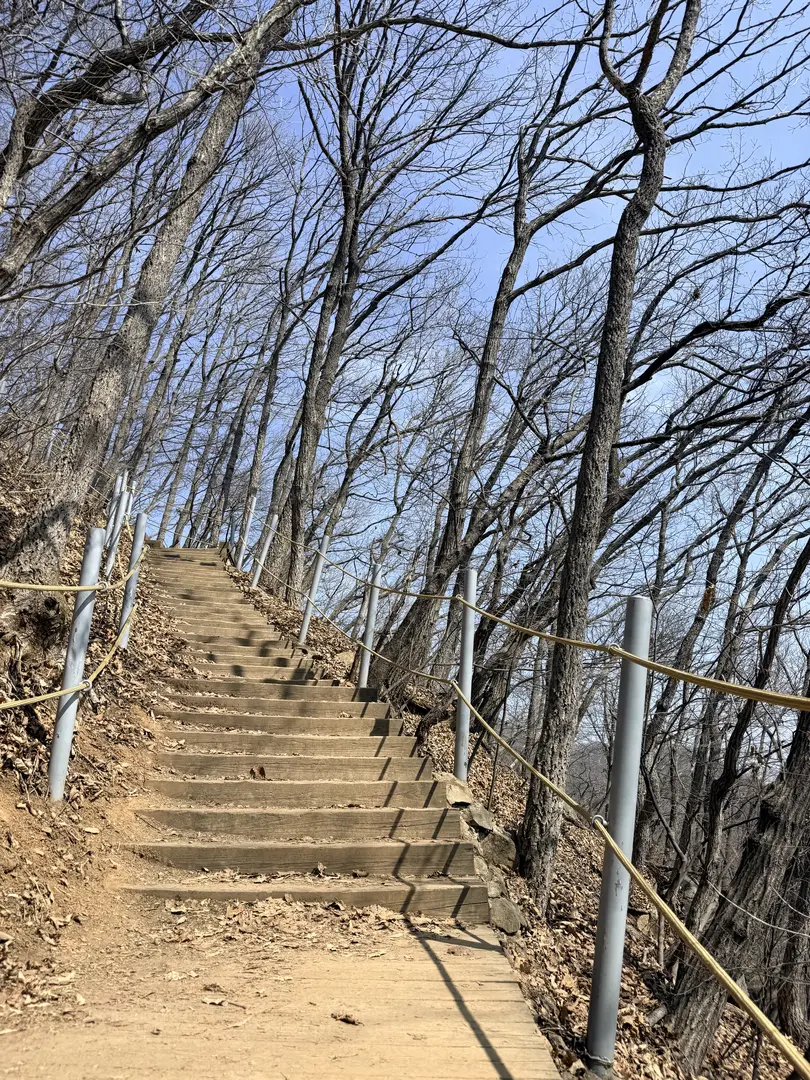
After approximately 15 minutes of gentle forest walking, you’ll encounter Gwangdeoksan’s signature feature: a 568-step stone staircase that climbs steadily toward Palgakjeong Pavilion. Here’s the clever detail that makes this climb psychologically easier—each step is numbered on both sides:
- Left side: Countdown (steps remaining)
- Right side: Steps completed
This dual numbering system gives you constant feedback and surprisingly effective motivation. The stairs are well-maintained with regular rest platforms, though they do get your heart rate up. Unlike the brutal staircases on mountains like Bukhansan, these steps have consistent rise and depth, making them easier on the knees.
At the top, Palgakjeong Pavilion (an octagonal wooden pavilion) marks the halfway point. Benches and shade make this an ideal spot for water and snacks. Critical tip: Korean mountains have NO trash cans on trails and no shops selling water. Stock up at convenience stores (CU, GS25, 7-Eleven) near the parking area before starting, and carry all waste back down in your pack.
Summit Push & Ridgeline Walk to Janggun Rock
From Palgakjeong, the trail continues upward through mixed forest with well-constructed wooden deck sections. The final 20 minutes before the summit involve steeper grades, but a gentler bypass route is available for those who prefer a gradual ascent. Both paths are clearly signed and converge just below the peak.
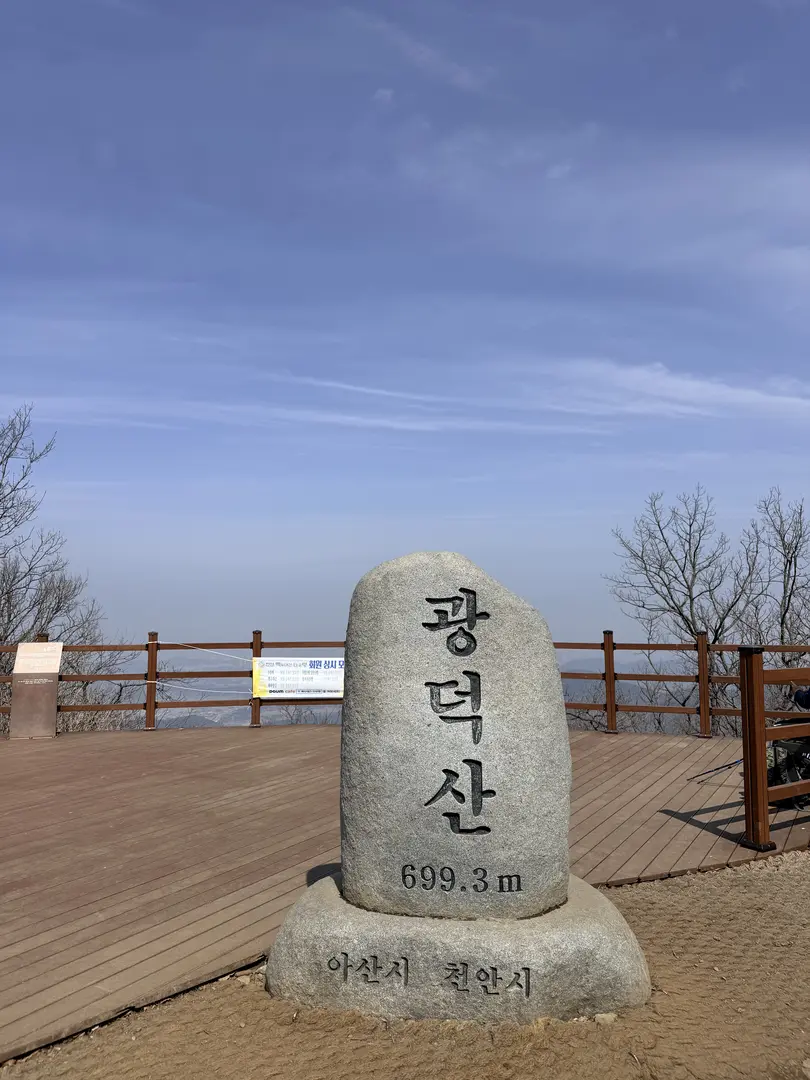
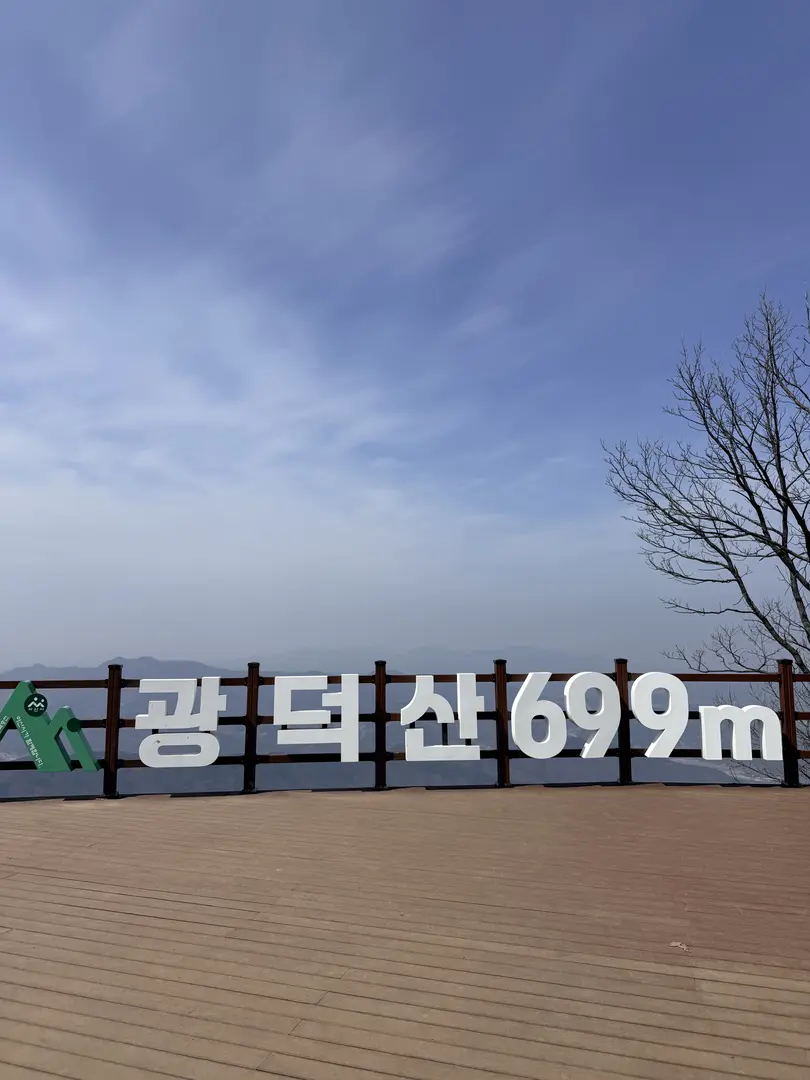
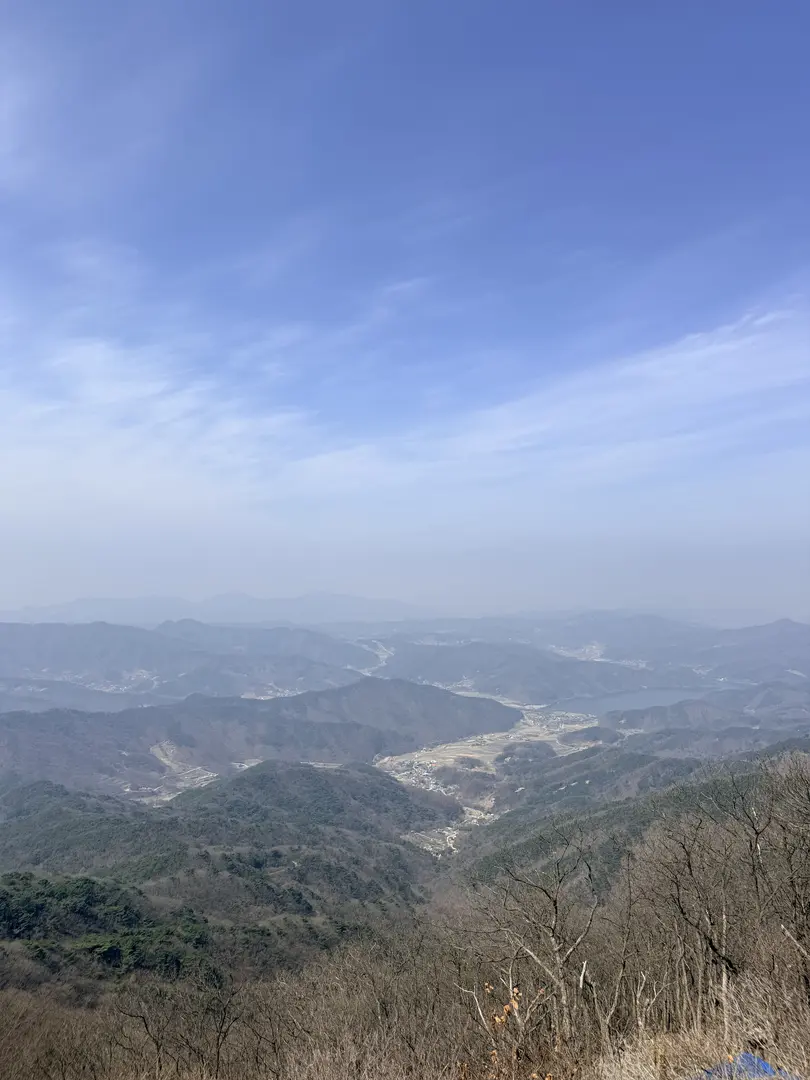
The summit area features an expansive wooden deck platform with multiple stone markers (a common feature on Korean peaks). At 699 meters, Gwangdeoksan offers surprisingly open views across the Chungcheong plains—on clear days, you can spot distant mountain ranges in multiple directions. The summit is spacious enough to accommodate weekend crowds comfortably.
After summit photos (required for Black Yak Challenge verification!), continue east along the ridgeline toward Janggun Rock (General Rock). This 20-30 minute walk follows a gentle, safe ridge trail with minimal elevation change—perfect for soaking in the scenery. The rock formation itself is modest but carries folklore significance: legend claims a starving general was fed by a mysterious old woman who vanished, leaving only this imposing boulder. The rock’s flat top offers another nice rest spot before descending.
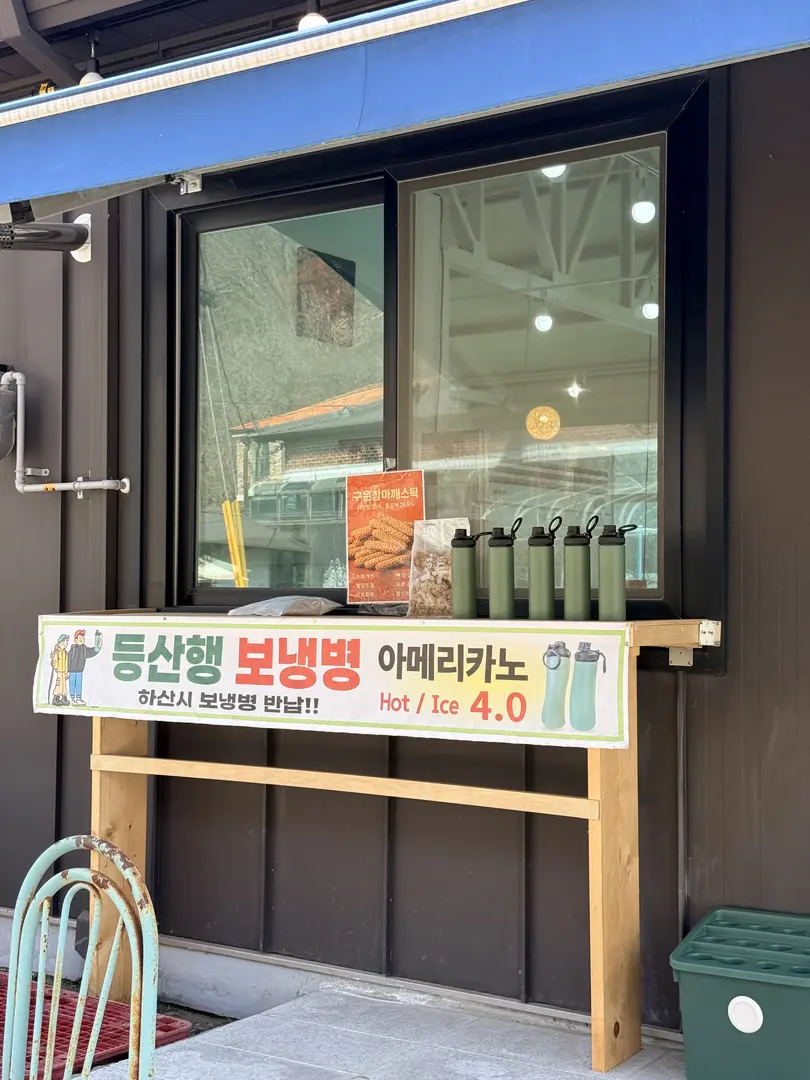
The descent path drops through Ansan Village, where the trail widens into a vehicle-accessible road. Near the bottom, you’ll pass a spring water station (maintenance varies—I recommend bringing your own water rather than relying on it). An interesting eco-innovation here: some base area cafes offer reusable thermos rentals that you return after your hike, reducing single-use plastic waste.
Post-Hike Essential: Cheonan’s Famous Hodugwaja
You cannot visit Gwangdeoksan without trying Hodugwaja (호두과자)—Cheonan’s signature walnut-shaped pastries. These small, golden-brown cakes have a crispy exterior and are traditionally filled with sweet red bean paste and crushed walnuts. The entire snack industry traces back to that 700-year-old walnut tree you passed at the temple.
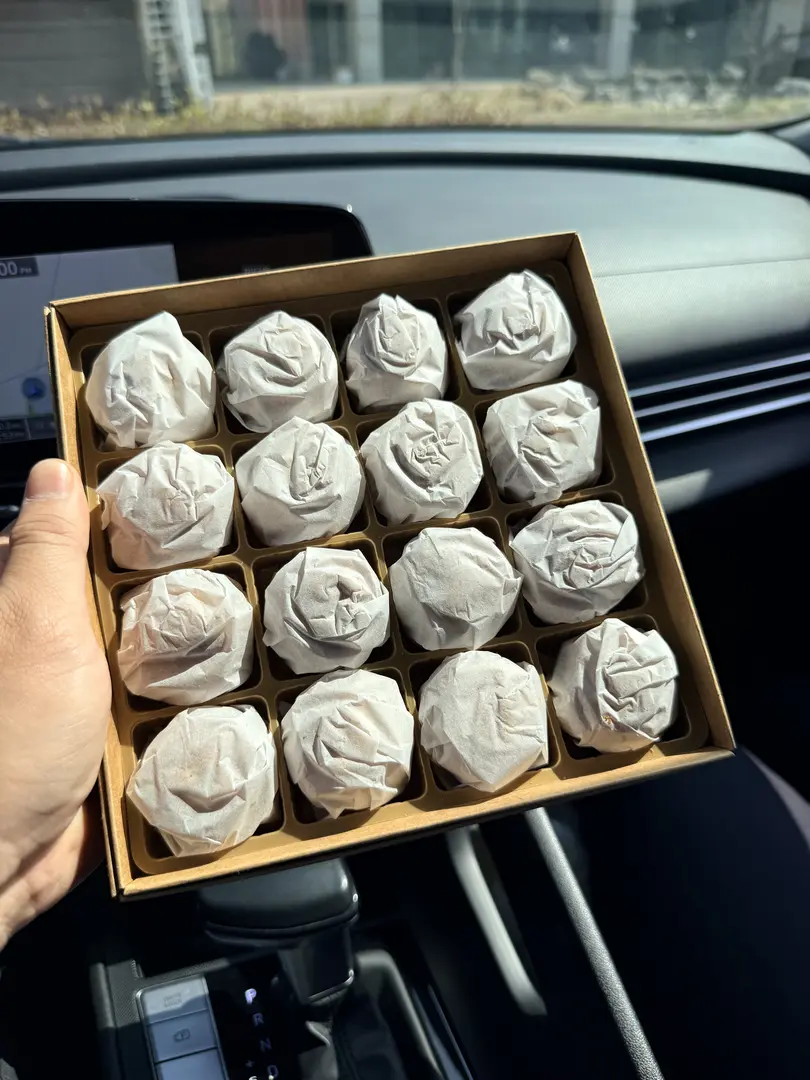
Near Parking Lot No.1, look for Yeotnal Hodugwaja (옛날호두과자), a traditional shop offering a special variation with white bean paste (흰앙금) instead of red bean. These come in boxes of 16 pieces—still warm, they’re the perfect post-hike reward. Other shops line the parking area, but locals consistently recommend this one for freshness and filling quality.
Cultural context: Hodugwaja are sold at highway rest stops and train stations nationwide, but Cheonan claims original bragging rights. According to the Korea Tourism Organization, these pastries became popular in the 1970s when a local baker developed the walnut-shaped mold as a regional specialty.
Practical Tips for Foreign Hikers
- Language: Trail signs have English, but food shops and parking attendants typically don’t. Have your accommodation address saved in Korean for taxi drivers.
- Facilities: Clean restrooms are available at the parking area and near Gwangdeoksa Temple. None exist on the trail itself.
- Gear: Standard day-hiking gear suffices. Trekking poles are optional but helpful on the descent stairs. Proper hiking boots aren’t essential—many Koreans hike in trail runners on this terrain.
- Crowds: Weekdays offer solitude; weekends bring families and challenge-seekers. The trail width handles traffic well.
- Weather: Summer brings heat and humidity; carry extra water. Winter can be icy on stairs—consider microspikes if hiking after snowfall.
Final Thoughts
Gwangdeoksan proves that Korean hiking isn’t all vertical scrambles and exposed ridges. This accessible peak delivers cultural immersion (temple history, monument trees, local folklore), physical accomplishment (those 568 steps!), and genuine mountain views—all in a manageable 3-hour package. For expats new to Korea’s hiking culture or travelers short on time, this makes an excellent introduction to the country’s outdoor obsession. The combination of well-maintained trails, historical context, and post-hike food culture captures what makes Korean mountain-going unique.
Have you tackled any of the Black Yak 100 Famous Mountains? What’s your take on the hodugwaja tradition—overhyped or the perfect hiking snack? Drop your thoughts in the comments below!